
Bird Bird Three vs OKAI ES600
Side-by-side comparison of specifications, features, and pricing to help you choose the right vehicle for your fleet.

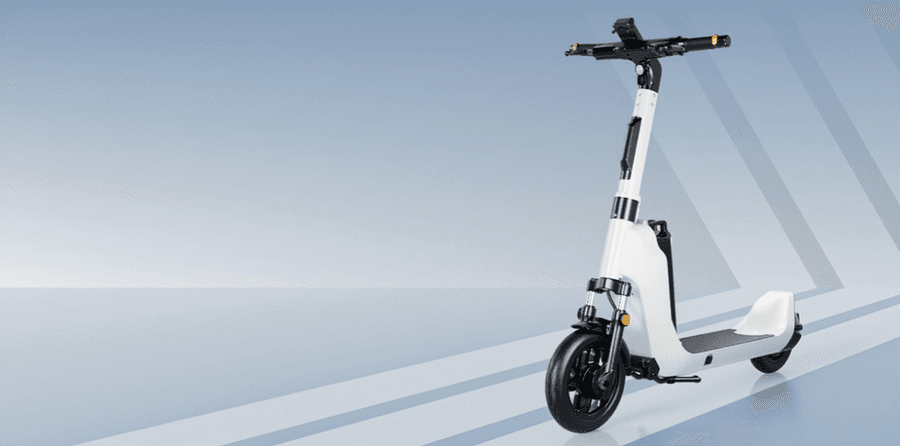
Performance
| Specification | Bird Three | ES600 |
|---|---|---|
| Max Speed | 15 mph | 15 mph |
| Range | 30 miles | 34 miles |
| Motor Power | 350W | 350W |
| Peak Motor Power | - | 700W |
Battery
| Battery Capacity | 1000 Wh | 691 Wh |
| Battery Voltage | 36V | 47V |
| Charge Time | 5 hours | 5 hours |
| Swappable Battery |
Physical
| Weight | - | 72.8 lbs |
| Max Load | 220 lbs | 331 lbs |
| Wheel Size | 10" | 12" |
| Tire Type | pneumatic | honeycomb |
| IP Rating | IP68 | IP67 |
Fleet Features
| Fleet Recommended | ||
| IoT Compatible | ||
| IoT Providers | Bird proprietary | Levy Fleets, Joyride, More4Motion |
Availability
| Year Introduced | 2021 | 2022 |
| Availability | Available | Available |
Pros & Cons
Bird Bird Three
Pros
- 1kWh battery (largest in class)
- IP68 rating
- 14,000+ mile battery life
- AEB safety system
- 60,000 impact tested
Cons
- Proprietary fleet only
- Heavier due to large battery
OKAI ES600
Pros
- Higher gradeability (25%) — better on hills
- 12" front wheel for improved ride comfort
- Premium 21700 LG / Samsung battery cells
- Hydraulic suspension front + rear
- Status light for at-a-glance fleet diagnostics
Cons
- UL 2272 status (whole vehicle) being confirmed with Okai
- Heavier than ES400A (33 kg vs 30.6 kg)
- Larger packaging footprint (10 units/box vs 4)
Need Help Deciding?
Our fleet experts can help you evaluate these vehicles for your specific use case and recommend the best option for your operation.