.svg)
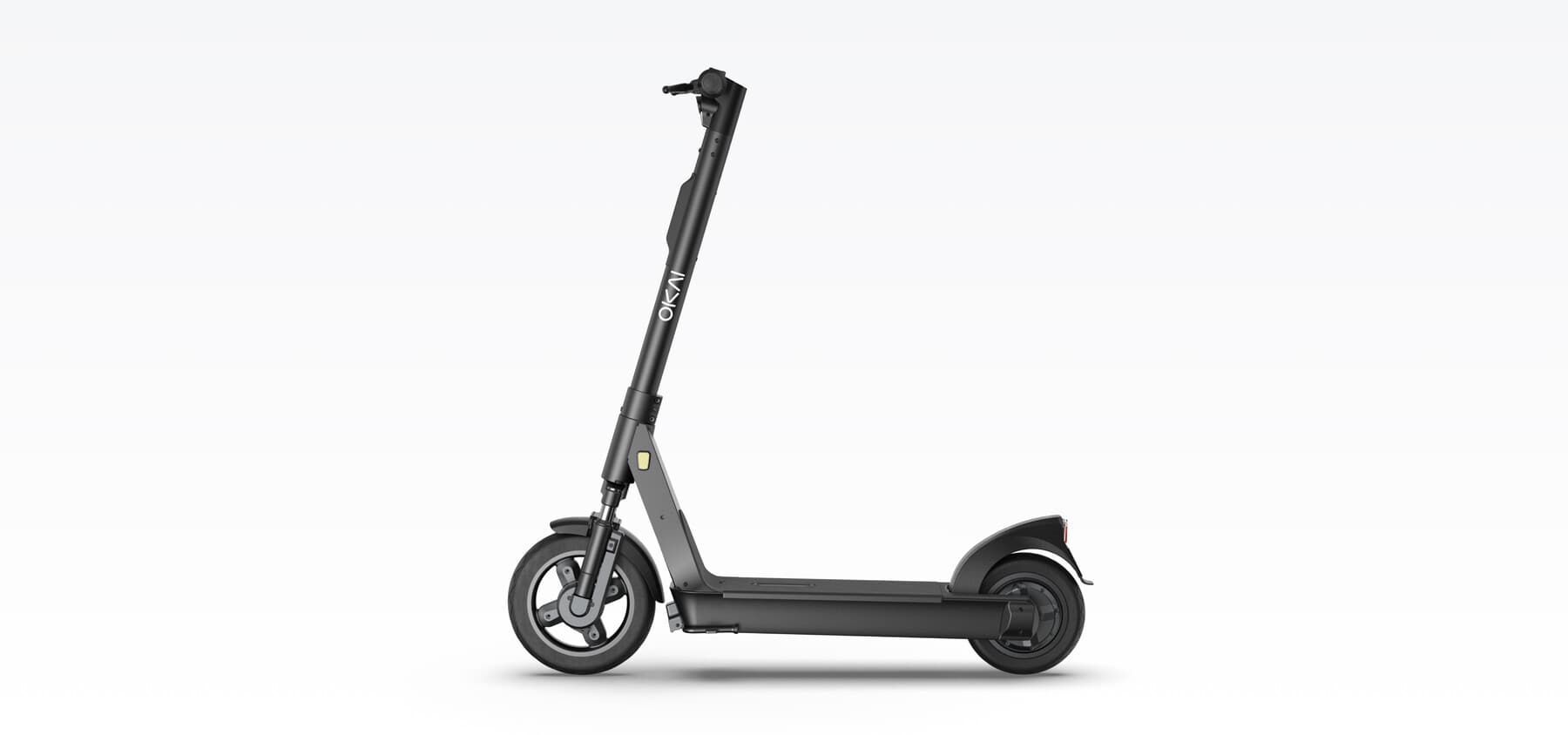
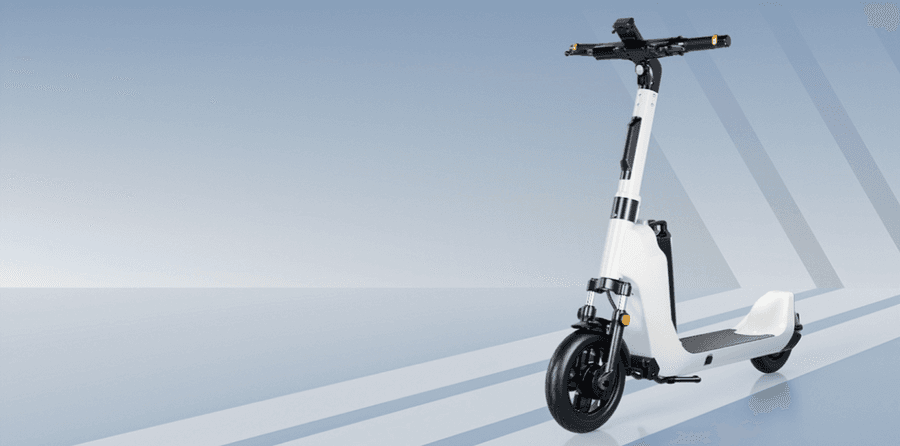
OKAI ES400A vs OKAI ES600
Side-by-side comparison of specifications, features, and pricing to help you choose the right vehicle for your fleet.
Performance
| Specification | ES400A | ES600 |
|---|---|---|
| Max Speed | 15 mph | 15 mph |
| Range | 37 miles | 34 miles |
| Motor Power | 350W | 350W |
| Peak Motor Power | 700W | 700W |
Battery
| Battery Capacity | 744 Wh | 691 Wh |
| Battery Voltage | 48V | 47V |
| Charge Time | 5 hours | 5 hours |
| Swappable Battery |
Physical
| Weight | 67.5 lbs | 72.8 lbs |
| Max Load | 331 lbs | 331 lbs |
| Wheel Size | 12" | 12" |
| Tire Type | solid | honeycomb |
| IP Rating | IP54 | IP67 |
Fleet Features
| Fleet Recommended | ||
| IoT Compatible | ||
| IoT Providers | Levy Fleets, Joyride, ATOM Mobility | Levy Fleets, Joyride, More4Motion |
Availability
| Year Introduced | 2022 | 2022 |
| Availability | Available | Available |
Pros & Cons
OKAI ES400A
Pros
- UL 2271 + UL 2272 certified out of the box
- Multiple battery cell options (611–784 Wh)
- Swappable battery for low operating cost
- Solid honeycomb tires (zero flats)
- Lighter than ES600 (30.6 kg vs 33 kg)
Cons
- Lower gradeability (20%) vs ES600 (25%)
- Smaller front wheel (12") vs some competitors with 14"+
- Solid tires give a stiffer ride than pneumatic
OKAI ES600
Pros
- Higher gradeability (25%) — better on hills
- 12" front wheel for improved ride comfort
- Premium 21700 LG / Samsung battery cells
- Hydraulic suspension front + rear
- Status light for at-a-glance fleet diagnostics
Cons
- UL 2272 status (whole vehicle) being confirmed with Okai
- Heavier than ES400A (33 kg vs 30.6 kg)
- Larger packaging footprint (10 units/box vs 4)
Need Help Deciding?
Our fleet experts can help you evaluate these vehicles for your specific use case and recommend the best option for your operation.